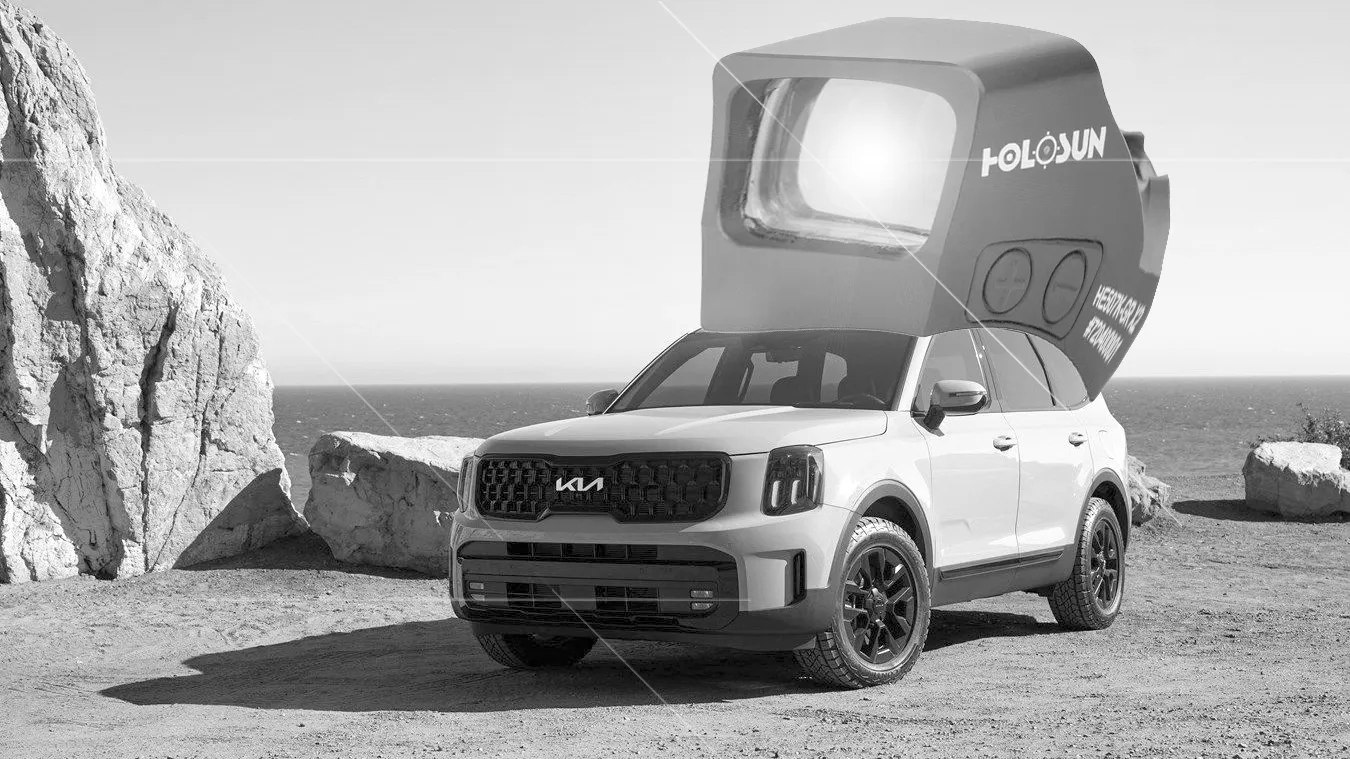
From Red Dots to Tellurides: The Case for Selling Authentic Products Over Product Hype
In brand marketing, there’s one truth that never changes: you can’t sell fake quality. You can try — for a while. You can dress it up with slick messaging, influencer hype, or cinematic ad spots. But sooner or later, the consumer will find the cracks. And in today’s hyperconnected world, consumers won’t just find them — they’ll share them, turning your quest for product-marketing fire into a very real brand dumpster fire.
That’s the difference between marketing and manipulation. Between building a brand and burning one.
The Illusion of Quality Always Breaks
When you fake quality, you’re not selling a product — you’re selling a lie wrapped in great design and clever copy. It might move units for a quarter. You might even see your P&L manager smile for a moment. But when customers realize the experience doesn’t match the promise, that illusion shatters. And in that moment, your brand equity isn’t just damaged — it’s redefined by the gap between your words and their reality. Fake quality is the single most brand-killing mistake you can make because it’s built on the assumption that perception can permanently replace performance. It can’t. Not anymore.
But You Can Sell Imperfection — If It’s Honest
Here’s the nuance most brands miss: You can sell a product that isn’t perfect. You can sell something that’s still maturing. You just have to be authentic about it. There’s a massive difference between faking premium and owning progress. You can tell the world, “We’re not perfect, but here’s what we’re improving.” You can build a following around transparency, value, and progress — and that following will stick around longer than any hype-driven audience. Honest imperfection sells because it’s relatable. Because it feels human.
Kia: Selling Authentic, Growing into Quality
Few modern brands embody this better than Kia. When Kia entered the U.S. market, nobody thought of them as a luxury or high-quality brand. They didn’t pretend to be. They positioned themselves as the budget alternative — practical, affordable, and accessible to everyday buyers. Instead of over-promising, Kia sold honest value. They owned their place in the market, then quietly went to work. They brought in Peter Schreyer, a former Audi designer, who gave Kia its signature Tiger Nose grille and infused the lineup with premium design cues — inspired by, not copied from, luxury competitors. They invested in reliability, materials, and design, improving year after year. The result? By the mid-2010s, Kia started topping J.D. Power’s Initial Quality Studies, outperforming even premium brands in owner satisfaction. Their rebrand — “Movement That Inspires” — shifted perception from “cheap car” to “smart choice.” Today, you’ll see Kias parked confidently next to BMWs and Mercedes in country-club lots, and no one blinks. That’s what happens when a brand refuses to fake quality but commits to earning it — one authentic step at a time.
Holosun vs. Aimpoint and Trijicon: The Honest Challenger
The same dynamic plays out in the shooting sports industry. For years, premium optics were dominated by legacy names like Aimpoint and Trijicon — the gold standards for military and law-enforcement applications. They built their reputations on absolute reliability, ruggedness, and real-world testing. That level of performance came with a price tag — and it was justified. Then along came Holosun — a Chinese-manufactured red-dot optic brand that didn’t pretend to be elite. They entered the market as the affordable alternative, offering 90% of the function for a fraction of the price. They didn’t fake Aimpoint’s pedigree — they built their own value story around innovation, accessibility, and continuous improvement. Holosun didn’t start out perfect, but they listened to users, refined their products, added solar-power redundancy, shake-awake technology, and enclosed-emitter designs — all while staying under premium price points. Fast forward to now, and Holosun optics are trusted by a massive share of civilian shooters, competitors, and even professionals. They earned their spot not by claiming to be Aimpoint — but by being authentic about what they were and improving relentlessly.
The Power of the Value–Quality Spectrum
Not every customer is chasing perfection. Many are chasing value. When you position yourself authentically within that value–quality spectrum, you’re not faking it — you’re framing it. You’re saying, “Here’s what we offer, here’s what it costs, and here’s why it’s worth it.” This gives emerging brands a real path to survival: – Sell to the value seekers, not the status seekers. – Deliver consistent, honest quality that fits your promise. – Earn trust through transparency, not theatrics. Amazon, automotive showrooms, and gun counters all prove the same point — consumers reward brands that are real about where they are in their journey.
Growth Built from Soil, Not Smoke
Real brand growth doesn’t come from viral hype or overnight reinvention. It comes from authentic evolution. From listening, improving, reinvesting, and refusing to lie to the market. You don’t fake your way to quality — you fund your way there through honesty. Each sale made on real value becomes the soil your brand grows in. Each customer who buys because they trust you — not because you tricked them — becomes part of your foundation. Because at the end of the day, brand isn’t what you say — it’s what you prove.
About the Author
Andrew Bloo is a brand strategist, marketing executive, and growth architect with over 30 years of hands-in-the-soil experience helping companies grow from authentic foundations. He writes about brand truth, business leadership, and modern marketing from Bend, Oregon.
Authentic Growth, Brand Building, Brand Stategy, Hands in The Soil, Marketing Leadership, Marketing Truth, Viral Marketing